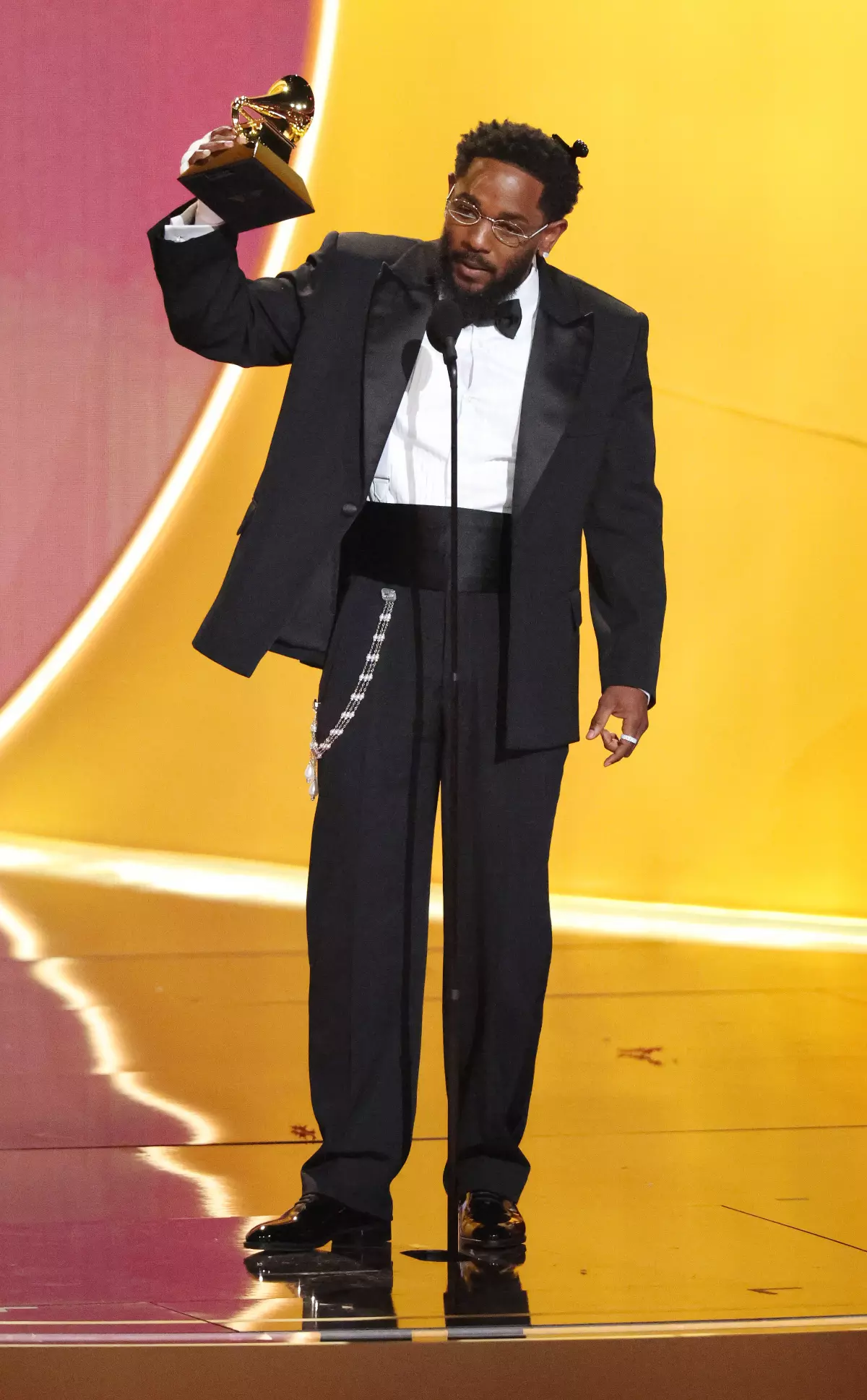
Highlights and Winners from the 2026 Grammy Awards
gang-flow – The 2026 Grammy Awards delivered a night of decisive wins, industry recognition, and clear signals about the current direction of global music. Held with heightened public attention, the ceremony confirmed several frontrunners while also opening space for new names to enter the mainstream conversation. From major categories to technical honors, Grammy Winners this year reflected a balance between commercial success, artistic credibility, and evolving listener tastes.
The recording industry used the event not only to celebrate achievement but also to frame where music is heading next. As voting results became official, Grammy Winners quickly dominated global search trends, streaming charts, and social media discussions.
The top categories shaped the narrative of the night. Album of the Year, Record of the Year, Song of the Year, and Best New Artist drew the strongest reactions from audiences and analysts alike. Each decision highlighted how voting members assessed impact, longevity, and cultural relevance over the eligibility period.
In multiple cases, Grammy Winners came from projects that had already demonstrated long-term chart stability rather than short viral momentum. This pattern reinforced the Academy’s continued emphasis on sustained artistic contribution.
Album of the Year went to a project that blended critical acclaim with global reach. Industry observers noted that the winning album maintained consistent streaming performance while also influencing production trends across genres. As a result, Grammy Winners in album-focused categories set benchmarks for cohesive storytelling and sonic experimentation.
Record of the Year followed a similar path. The winning track combined technical excellence with mass appeal, earning recognition for production quality and overall performance rather than songwriting alone. This distinction underscored the Academy’s category definitions and voting priorities.
Song of the Year honored a composition praised for lyrical depth and narrative clarity. Unlike production-driven categories, this award centered on writing credits and structural strength. The result aligned with critics who emphasized emotional resonance and thematic relevance.
Several Grammy Winners in songwriting categories represented collaborations between established artists and emerging writers. This trend reflected the industry’s increasing reliance on cross-generational creative teams.
Best New Artist once again proved to be one of the most closely watched awards of the night. The winner emerged from a competitive field shaped by streaming-era exposure, touring growth, and audience engagement. Analysts observed that Grammy Winners in this category often signal long-term career potential rather than immediate chart dominance.
The 2026 result reinforced that pattern. The recipient had demonstrated consistent output, strong live performances, and measurable fanbase expansion before receiving the award.
Beyond the main awards, genre categories played a crucial role in representing the diversity of the music landscape. Pop, rock, hip-hop, R&B, country, jazz, and alternative fields all produced Grammy Winners who reflected both tradition and innovation.
In hip-hop and R&B, recognition leaned toward albums with cohesive narratives and social commentary. In contrast, pop categories rewarded precision production and global audience reach. Rock and alternative awards highlighted acts that maintained authenticity while adapting to modern distribution models.
Technical categories such as Best Engineered Album, Producer of the Year, and Best Immersive Audio Album emphasized the behind-the-scenes contributors shaping today’s sound. Grammy Winners in these fields demonstrated how production decisions increasingly define listener experience across platforms.
Industry professionals noted that technical Grammy Winners often influence studio practices long after the ceremony ends, affecting mixing standards and recording approaches.
International representation continued to grow in 2026. Several Grammy Winners came from projects with strong global collaboration elements, reflecting cross-border influences and multilingual production. This shift aligned with the Academy’s broader push toward inclusivity and global relevance.
As streaming platforms erase regional boundaries, Grammy Winners now frequently represent hybrid identities rather than single-market dominance.
Audience response to the winners ranged from affirmation to debate. While many results aligned with predictions, certain category outcomes sparked discussion about genre boundaries and voting transparency. Still, Grammy Winners overall reflected a voting body attentive to both data-driven success and artistic merit.
Within hours of the ceremony, winning tracks and albums saw renewed chart movement, demonstrating the continued commercial impact of Grammy recognition.
For artists, becoming Grammy Winners carries measurable business consequences. Touring demand, licensing opportunities, and brand partnerships often increase following a win. Labels also leverage Grammy outcomes to reposition catalogs and promote long-term assets.
In 2026, several Grammy Winners announced new projects or tours shortly after the ceremony, capitalizing on heightened visibility.
A review of the full results reveals several consistent themes. Longevity mattered more than virality. Albums outperformed singles in critical categories. Collaborative projects gained recognition across genres. Most importantly, Grammy Winners reflected an industry increasingly focused on sustainable careers rather than short-term attention cycles.
These patterns suggest how future submissions may be shaped and how artists may plan release strategies moving forward.
The 2026 ceremony functioned as both a celebration and a snapshot of current industry values. While tastes will continue to evolve, the Grammy Winners this year offered a clear picture of what the recording community chose to elevate.
As music consumption habits shift, the Grammy Awards remain a reference point for credibility, legacy, and professional recognition within the global industry.
This website uses cookies.

