The “Girl, Get Up” Music Video Lands as Doechii Links With SZA
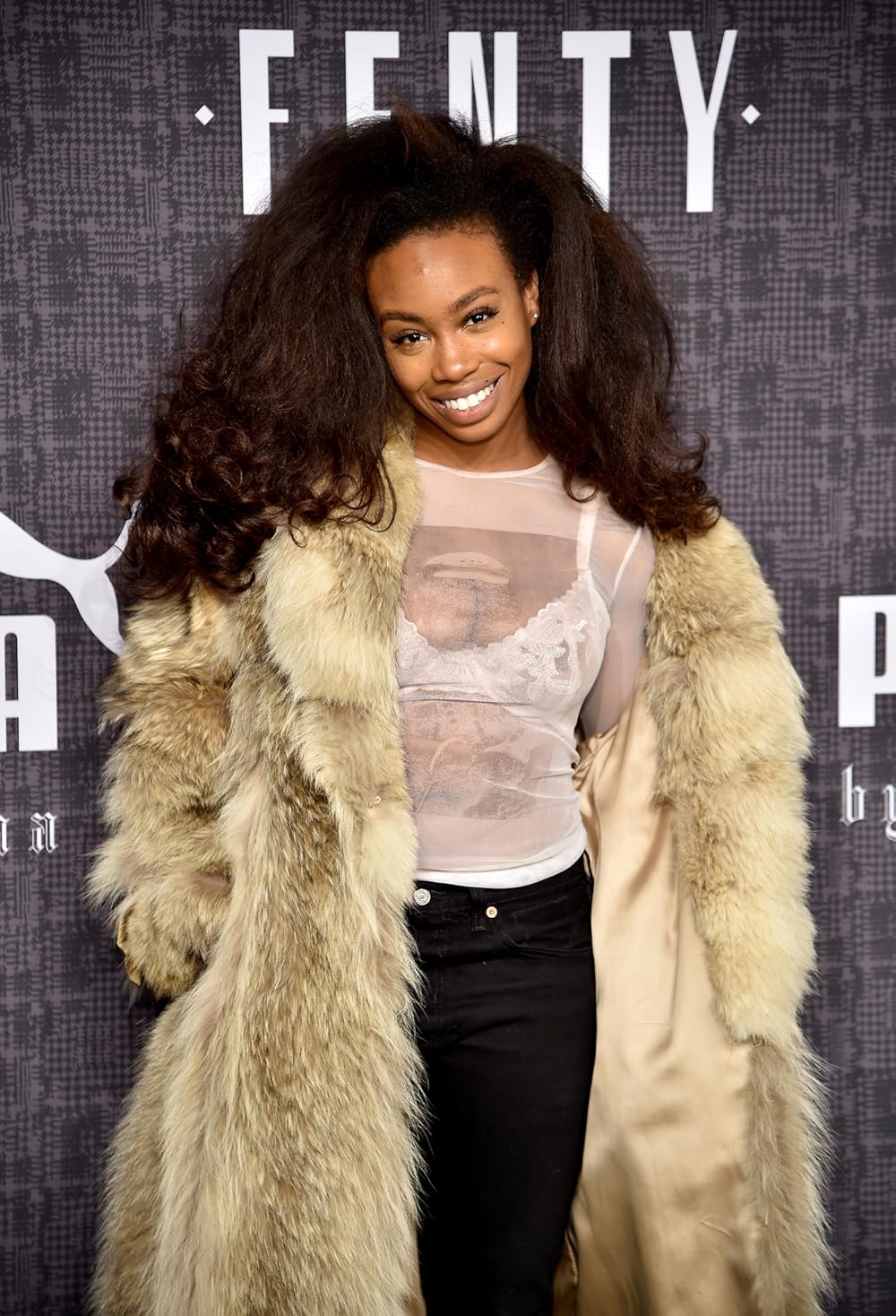
gang-flow – The release of the “Girl, Get Up” music video marks a decisive moment for Doechii as she aligns with SZA, bringing together two of the most closely watched voices in contemporary R&B and hip-hop. Dropped without excessive preamble, the visual arrives as a clear statement of intent: confident, controlled, and designed to extend the song’s message through sharp imagery rather than spectacle alone. From the opening frames, the video positions itself as an extension of the record’s urgency, reinforcing themes of self-assertion and forward motion that have become central to Doechii’s current artistic phase.
In a crowded release calendar, timing matters. The “Girl, Get Up” video lands amid heightened attention on visual storytelling as a driver of streaming momentum and cultural conversation. Rather than relying on viral gimmicks, the production emphasizes clarity of concept. Clean compositions, deliberate pacing, and restrained symbolism keep the focus on performance and presence. The approach aligns with a broader industry shift toward visuals that support longevity, not just first-week spikes.
By attaching SZA to the project, Doechii signals strategic alignment as well as artistic compatibility. The collaboration reads less as a feature for reach and more as a shared tone. Both artists have cultivated reputations for introspective writing paired with confident delivery, and the visual underscores that overlap without forcing narrative overlap.
At the center of the video is Doechii’s performance, which carries the narrative weight from scene to scene. The camera work favors close framing and sustained takes, allowing expression and movement to communicate resolve. This decision keeps the message direct and avoids visual clutter. The result is a performance-forward piece that mirrors the song’s motivational core.
Throughout the runtime, Girl Get Up appears as a repeated motif rather than a literal storyline, surfacing in posture, gesture, and staging. The absence of overt plot frees viewers to project their own interpretation, a choice that supports shareability across platforms where context varies.
SZA’s involvement is measured and intentional. She does not dominate the frame, nor does the video attempt to manufacture contrast. Instead, her presence complements the atmosphere, reinforcing the collaborative tone without shifting focus away from the song’s central voice. This balance reflects a growing preference for collaborations that feel additive rather than competitive.
Industry observers have noted that the pairing extends beyond star power. The creative synergy suggests mutual respect and a shared understanding of how visuals can elevate a message. In this context, Girl Get Up functions as a bridge between audiences while maintaining a cohesive identity.
The video’s direction leans into minimalism, using lighting and set design to create contrast and emphasis. Color palettes remain controlled, avoiding excess saturation in favor of texture and shadow. These choices support readability on both large screens and mobile devices, a practical consideration in an era where discovery often happens through short clips.
Production design favors adaptability. Individual frames translate easily into stills and excerpts, a factor that enhances distribution across social platforms. This adaptability contributes to the video’s early traction, as moments are clipped and shared without losing coherence.
Early reception points to strong engagement driven by relatability rather than novelty. Viewers respond to the video’s straightforward confidence, which aligns with broader cultural conversations around agency and self-definition. In this sense, Girl Get Up resonates beyond genre boundaries, positioning itself as a motivational touchstone without diluting artistic specificity.
Fan discussions highlight the collaboration’s authenticity, noting that the pairing feels earned. This perception matters in a media environment where audiences quickly detect performative alliances. The response suggests that the video succeeds in reinforcing credibility for both artists.
From a digital strategy perspective, the release is optimized for discoverability. Clear titling, consistent branding, and a strong visual hook support search visibility and recommendation algorithms. Queries around Girl Get Up have trended upward following the video’s release, indicating effective alignment between content and audience intent.
Keyword clustering around the artists, the collaboration, and the video format itself creates opportunities for extended coverage. Related topics such as behind-the-scenes insights, lyric analysis, and fashion breakdowns can branch from the core release, supporting a broader content ecosystem.
The video reinforces Doechii’s positioning as an artist capable of leading a visual narrative while collaborating at a high level. It also reflects SZA’s selective approach to partnerships, favoring projects that align with her artistic values. Together, they deliver a release that feels deliberate rather than reactive.
As the industry continues to prioritize visuals as a primary engagement tool, Girl Get Up stands as an example of how restraint and clarity can outperform excess. The video’s success will likely inform future releases, encouraging artists to focus on cohesion and message over spectacle.
Looking ahead, the collaboration opens pathways for live performances, remix potential, and extended visual content. It also sets expectations for Doechii’s next moves, signaling confidence in her ability to anchor high-profile projects. For SZA, the appearance reinforces her influence across adjacent spaces without overextension.
In the broader narrative of contemporary music visuals, Girl Get Up contributes to a growing catalog of releases that prioritize authenticity and performance. Its impact lies not in reinvention, but in execution that aligns sound, image, and intent with precision.
This website uses cookies.

