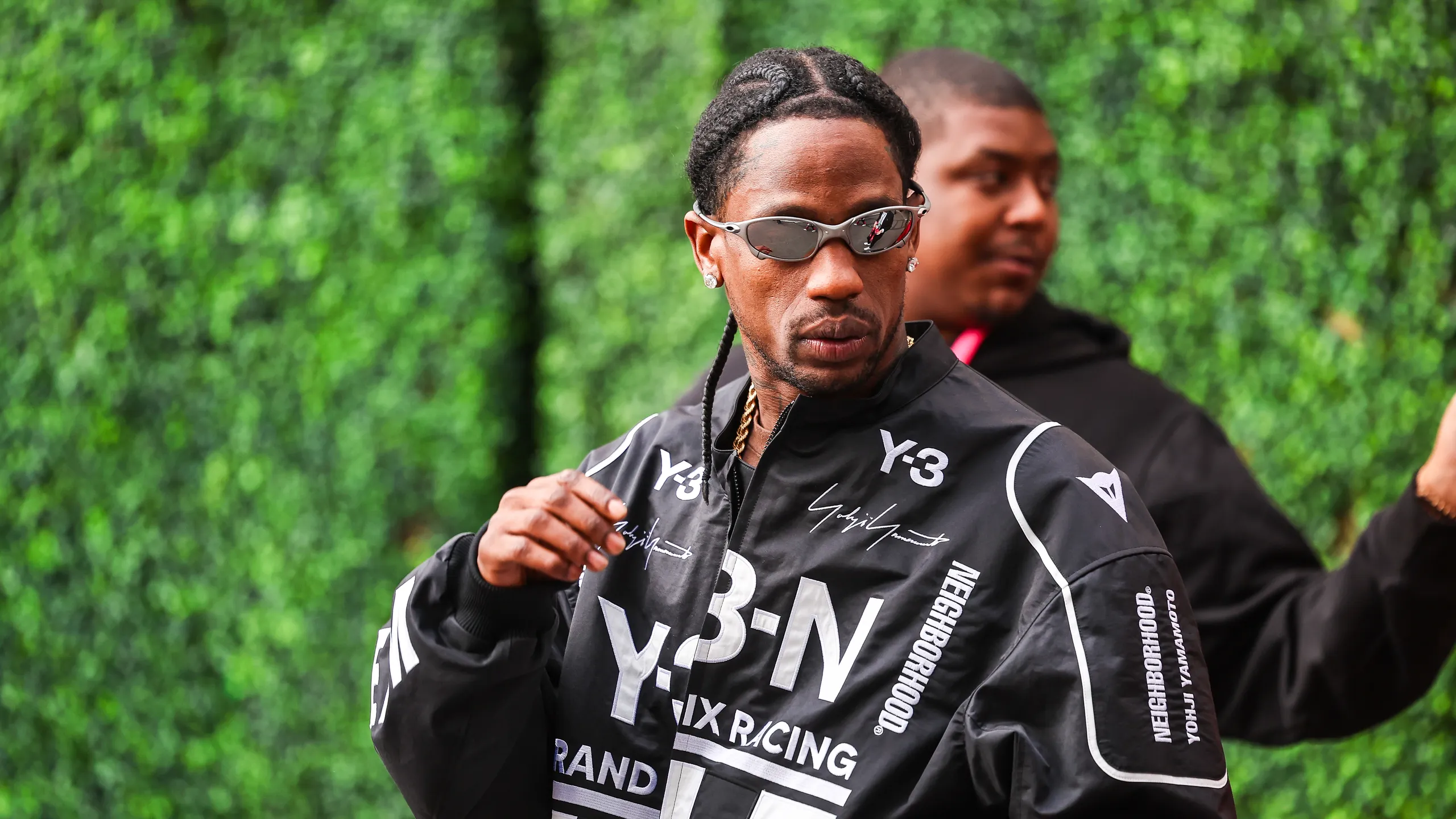
Travis Scott Transition to Film in The Odyssey
gang-flow – Hollywood confirmed a new casting move after producers revealed that Travis Scott has joined the film project The Odyssey. The announcement marks a clear shift in direction for the artist, who now steps into a scripted film environment after building his career through music, live performance, and visual storytelling. The production team framed the decision as a creative choice tied to narrative needs, not a promotional stunt.
The studio shared the casting update through official channels without extended promotion. The announcement focused on collaboration and preparation rather than celebrity appeal. Executives involved in the project stated that the role supports the story structure and does not alter the film’s core direction.
Travis Scott enters the project during active production, not as a late addition. This timing suggests the role formed part of the creative plan from an early stage. Industry watchers see this as a deliberate step rather than a test appearance.
The Odyssey adapts a classical story for modern audiences through a large-scale cinematic format. The film blends mythology, drama, and visual ambition. Producers aim to keep the narrative accessible while preserving its original themes.
Casting choices reflect that balance. The ensemble combines established screen actors with figures known for strong cultural influence. This approach targets global audiences without shifting attention away from the storyline.
The move into film follows years of visual experimentation. Concert productions, music videos, and stage design already required structured performance and character presence. These experiences shaped an understanding of timing, movement, and audience focus.
Film acting demands a different rhythm. Scenes unfold through dialogue, silence, and interaction. The production team expects adaptation rather than reinvention. Training sessions reportedly focused on script analysis and scene continuity.
Sources close to the project describe a structured preparation process. Rehearsals emphasized character motivation and pacing. Directors asked cast members to align with the tone of the film rather than personal branding.
The team designed the role to fit within the narrative arc. The character does not function as a cameo. Instead, the role supports key moments within the story. This approach reduces risk and strengthens coherence.
Early coverage from entertainment media remains cautious. Analysts highlight that cross-industry casting succeeds when performance serves the script. Past examples show that audiences respond poorly to appearances that feel disconnected from the story.
Commentators also note a shift in how studios manage such announcements. The messaging avoids hype and centers on craft. This framing suggests confidence in the casting decision.
For Travis Scott, film participation signals a controlled expansion of creative scope. Music remains the primary focus, but film offers a new form of expression. The move also reflects broader industry patterns, where artists build careers across multiple platforms.
Observers point out that this strategy reduces dependence on a single medium. It also creates opportunities for future roles that demand strong visual presence and performance discipline.
Feature films require sustained focus across long production schedules. Actors must maintain emotional continuity across scenes shot out of sequence. This process challenges performers who come from live environments.
The production team addressed these challenges through structured coaching. Directors emphasized consistency and collaboration. Reports indicate that the transition progressed smoothly during early shoots.
The film targets international distribution. The casting choice may increase awareness in markets where the artist already commands attention. Producers, however, stress that marketing will highlight the story first.
This balance aims to attract new viewers without alienating traditional audiences. Industry planners expect the strategy to support long-term reception rather than opening-week spikes.
Modern cinema often blends cultural influence with narrative craft. Studios seek performers who bring authenticity and global recognition. This trend continues across genres, from drama to action.
Within that context, Travis Scott represents a broader shift in casting philosophy. Studios now assess performance background alongside audience connection.
As production continues, the project maintains focus on storytelling. The casting decision reflects planning rather than experimentation. The role integrates into the film’s structure without reshaping its identity.
This moment illustrates how artists expand into new fields through measured steps. Film becomes an extension of creative work, not a replacement for prior success.
The Odyssey moves toward completion with attention on narrative cohesion and visual scale. The casting development highlights changing boundaries between music and film. Industry observers will watch how this transition influences future projects.
The outcome may shape how studios approach similar collaborations. It may also define the next chapter in Travis Scott’s evolving career.
This website uses cookies.

