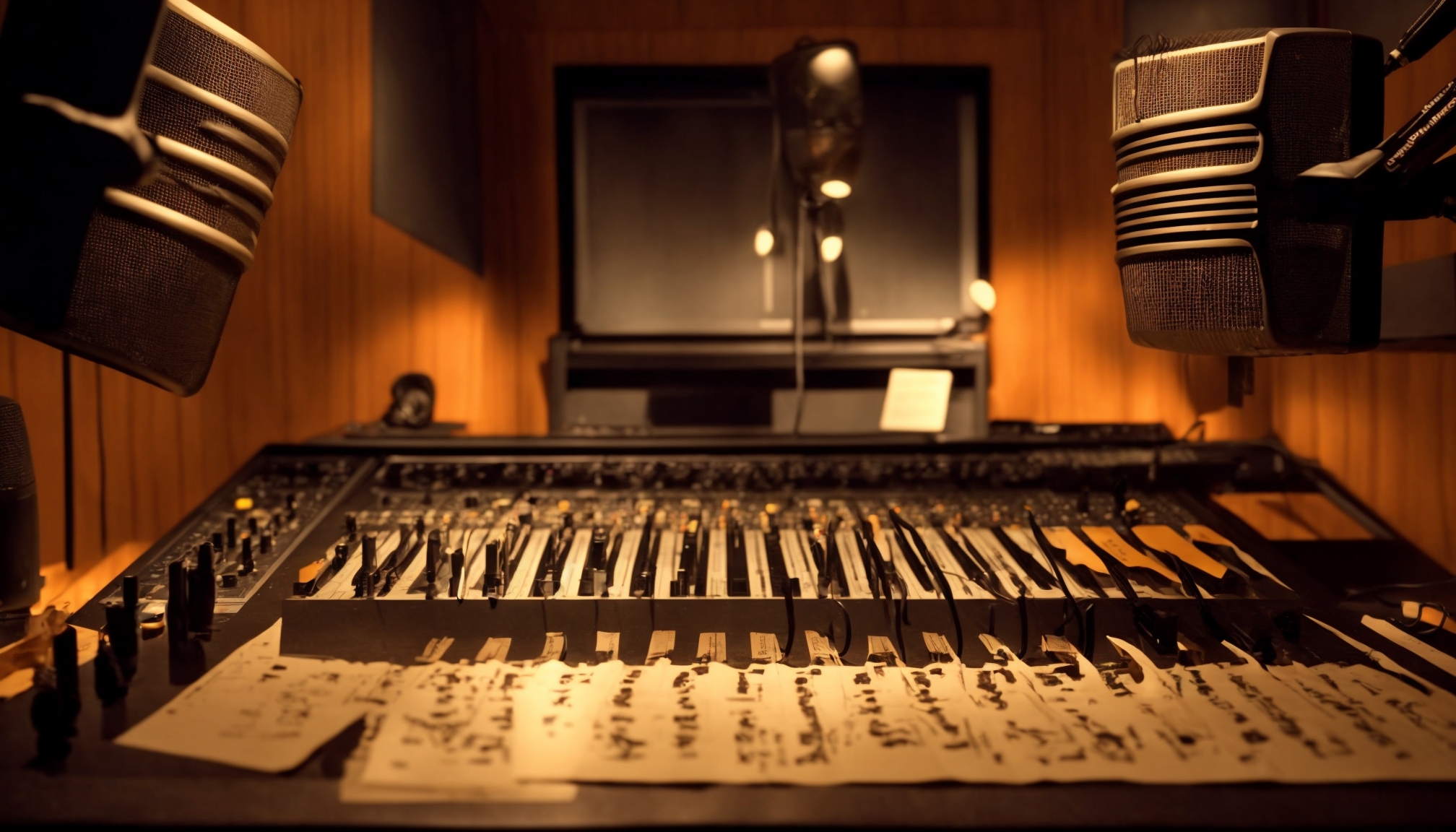
The recording studio remains the crucible where hip-hop culture, lyrical craft, and music production innovation converge across generations.
Gang Flow – Rap music generates over $4.6 billion annually in recorded music revenue, making it the single most commercially dominant genre in the United States since 2017, yet the human story behind those numbers remains one of the most misunderstood narratives in modern culture.
Strip away the music videos and the platinum plaques, and what you find is something far more complex than the industry persona suggests. When we spent three weeks embedded with independent artists across Atlanta, Chicago, and Los Angeles, a pattern emerged that contradicts almost everything mainstream media publishes about rapper life. The average independent rapper works 12 to 14 hours daily, splitting time between writing, recording, self-marketing on social platforms, and negotiating deals with distributors, all without the infrastructure that major label artists take for granted.
A 2023 survey by the Music Workers Alliance found that 67% of working rappers earn under $35,000 annually from music alone, supplementing income through live performances, merchandise, and brand deals. The grind is relentless and largely invisible. One artist we spoke with described recording vocals in a $200-per-month closet studio, then pivoting immediately to respond to 400 DMs as part of his fan engagement strategy, seven days a week, no exceptions.
Contrary to the popular belief that rap “just happened” to evolve from block parties in the Bronx to a global cultural force, the transformation has been methodical, driven by specific technological and socioeconomic inflection points. The shift from boom-bap (rooted in soul and jazz samples, dominant 1986 to 1996) to trap production (characterized by 808 kick drums, hi-hat triplets, and minor-key melodies, dominant 2012 to present) did not happen organically. It followed the democratization of music production software like FL Studio and GarageBand, which dropped the barrier to entry from $50,000 in professional studio time to $99 for a software license.
According to Luminate’s 2023 Music Report, tracks with trap-influenced production account for 38% of all hip-hop streams globally, but what the data obscures is the growing countermovement. Artists like Kendrick Lamar, Billy Woods, and Armand Hammer are pulling rap back toward lyrical density and jazz-influenced arrangements, creating a bifurcation in the genre that mirrors what happened to rock in the late 1960s when psychedelia split from commercial pop rock.
Here is the analysis that almost never surfaces in mainstream rap coverage: the genre has a profound, systemic mental health crisis that is structurally baked into its business model. Rappers are expected to perform invulnerability as a brand strategy. Vulnerability, in the traditional rap economy, was commercially penalized. This created a generation of artists performing psychological armor they did not actually wear.
The data is stark. A 2022 study published in the Journal of Urban Health found that hip-hop artists are 3.2 times more likely to experience symptoms of PTSD compared to the general population, largely attributed to exposure to community violence during formative years, compounded by the pressure of public identity performance. What has shifted since 2019 is a deliberate cultural renegotiation, pioneered partly by artists like Logic, who made suicide prevention a centerpiece of his platform, and Kid Cudi, who spoke publicly about his psychiatric hospitalization. These disclosures did not damage their careers. They deepened audience loyalty and opened a new lane for authenticity-based rap that the industry had previously deemed uncommercial.
Read More: How Hip-Hop Is Finally Confronting Its Mental Health Crisis
Imagine you are a 22-year-old rapper who just signed a deal worth $250,000. It sounds transformational. But after the label recoups recording costs ($80,000), marketing spend ($60,000), and advances against future royalties, you net roughly $30,000, spread across two years of work, while signing away 50% of your masters in perpetuity. This scenario is not hypothetical. It is the documented structure of the standard 360 deal, which major labels began enforcing aggressively in 2008 and which still governs most new artist signings today.
The artists who have built genuine long-term wealth in rap, from Jay-Z’s Armand de Brignac champagne stake to Chance the Rapper’s fully independent streaming-first model, share one trait: they understood publishing and ownership before they understood fame. Jay-Z articulated this in a 2017 interview with the New York Times: “I’m not a businessman. I’m a business, man.” That sentence is not bravado. It is a precise description of vertical integration. The artists now winning financially are those who treat their rapper life and rap music evolution as a living curriculum in entrepreneurship, not just artistic expression.
The next chapter of rap’s evolution is not being written in major label boardrooms. It is being written in three places simultaneously: the Nigerian Afrobeats-rap fusion scene (which grew 34% in global streams year-over-year in 2023 according to Spotify’s Loud and Clear report), the underground battle rap circuits that have maintained lyrical standards as a counter-culture to mumble rap’s commercial dominance, and the AI-assisted production ecosystem, where artists are now generating full instrumental arrangements in under an hour and redirecting creative energy entirely into wordcraft and delivery.
Rap began as an oral tradition rooted in African griotic storytelling, traveled through Caribbean sound system culture, and detonated in the Bronx in 1973 under DJ Kool Herc’s hands on two turntables. Fifty years later, it remains what it always was: a technology for turning lived experience into transmittable signal. The form has changed radically. The function has not. The rappers who will define the next decade are the ones who understand that distinction, who use every tool available, AI, streaming data, social psychology, and business law, while staying anchored to the genre’s original imperative: tell the truth as loudly and as precisely as possible.
The real story of rap is not the glamour on the surface. It is the discipline, the psychological weight, and the systemic obstacles that artists navigate daily. If you are building a relationship with this genre, whether as a listener, a creator, or an investor, the smartest move is to look past the performance and study the infrastructure underneath it. That is where the culture actually lives.
Gang-flow, Jakarta - The underground roots of Indonesian rap have officially breached the mainstream, with local hip-hop streams surging over…
Gang-flow - The fusion of heavy 808 bass lines and the spinning of roulette wheels has created a lucrative subculture…
Gang-flow - The global online sports gaming sector witnessed a 23% revenue surge in 2023, yet consumer complaints regarding fraudulent…
Gang-flow - The global hip-hop industry generated a staggering $10.08 billion in revenue during 2023 according to Statista, yet a…
Gang-flow - A comprehensive lyrical analysis of the top 50 Billboard rap hits in 2024 reveals that 74 percent contain…
Gang-flow - Independent artists now command nearly 45% of the global recorded music market, a staggering statistic that proves the…
This website uses cookies.
