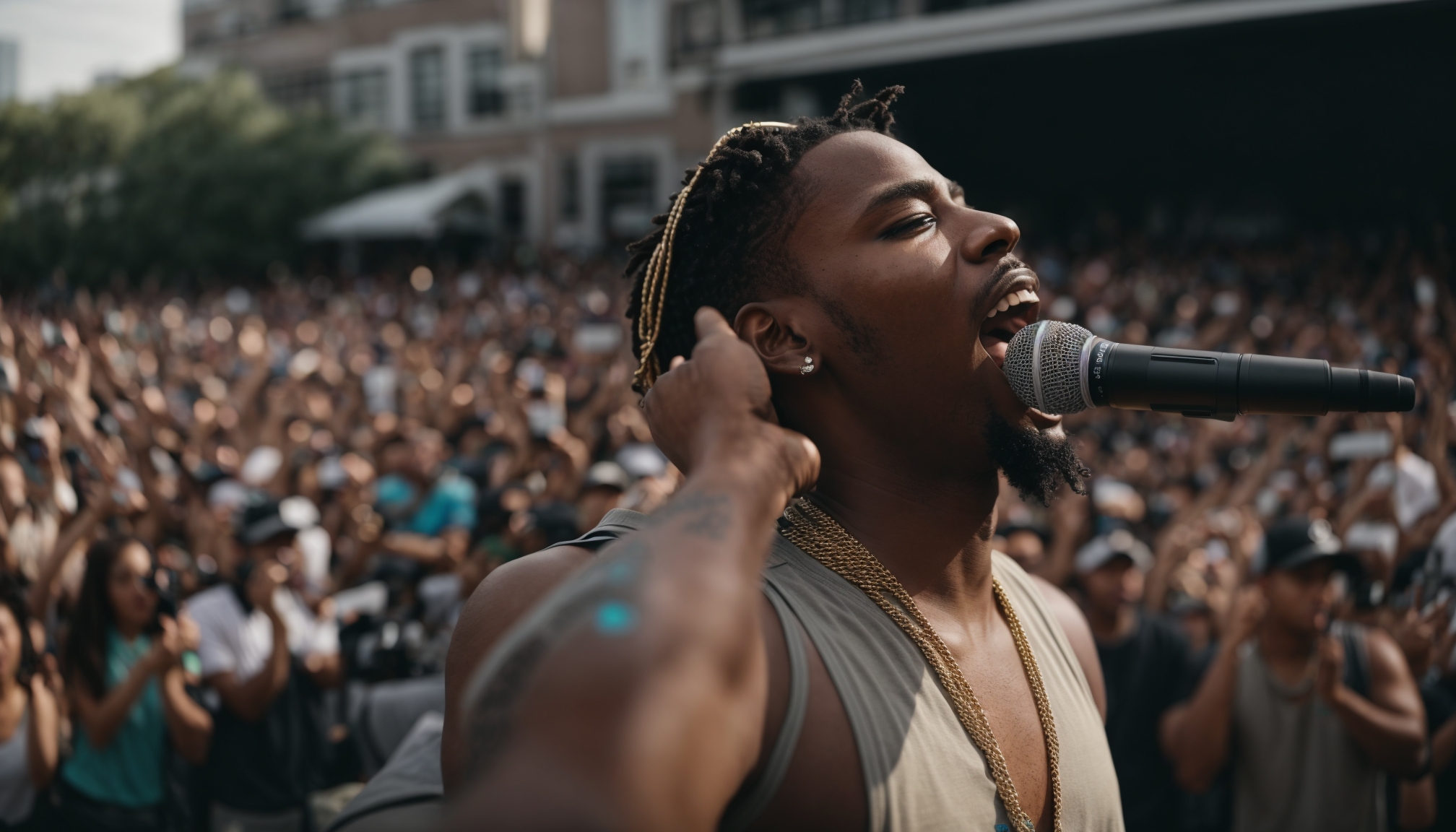
Gang Flow – Music has long been a powerful medium for expression, and rappers voice social issues with a unique intensity that resonates across cultures and borders. Around the world, hip-hop artists channel their experiences and observations into lyrics that challenge societal norms and ignite important conversations.
Rappers voice social issues through their tracks by addressing topics such as inequality, racism, poverty, and political unrest. Their music becomes a platform to amplify the voices of marginalized communities, highlighting struggles that often go unnoticed by mainstream media. Through storytelling and rhythmic cadence, artists build emotional connections with listeners that transcend language and geography.
Across different continents, numerous rappers have made impactful songs that focus directly on societal concerns. For instance, American artists like Kendrick Lamar have used their albums to delve into systemic racism and police brutality. Meanwhile, British rappers bring attention to urban poverty and racial tensions in cities like London. Even in countries with restricted freedom of expression, underground hip-hop artists risk censorship and persecution to rappers voice social issues boldly and authentically.
When rappers voice social issues, their work often transcends entertainment to inspire activism. Songs become anthems for movements, encouraging fans to engage in dialogue and action. Social media has further amplified this dynamic, allowing artists’ messages to reach a broader and more diverse audience worldwide. This digital presence strengthens the impact of hip-hop’s social commentary and creates global solidarity around pressing issues.
Read More: The Origin and Influence of Hip-Hop Music
The commitment of rappers voice social issues reflects the enduring power of music to foster awareness and empathy. Their work encourages listeners to question existing paradigms and consider new perspectives, making hip-hop a vital cultural force for social justice. As more artists continue this legacy, music remains a crucial arena for the ongoing struggle toward equity and human rights globally.
This website uses cookies.
