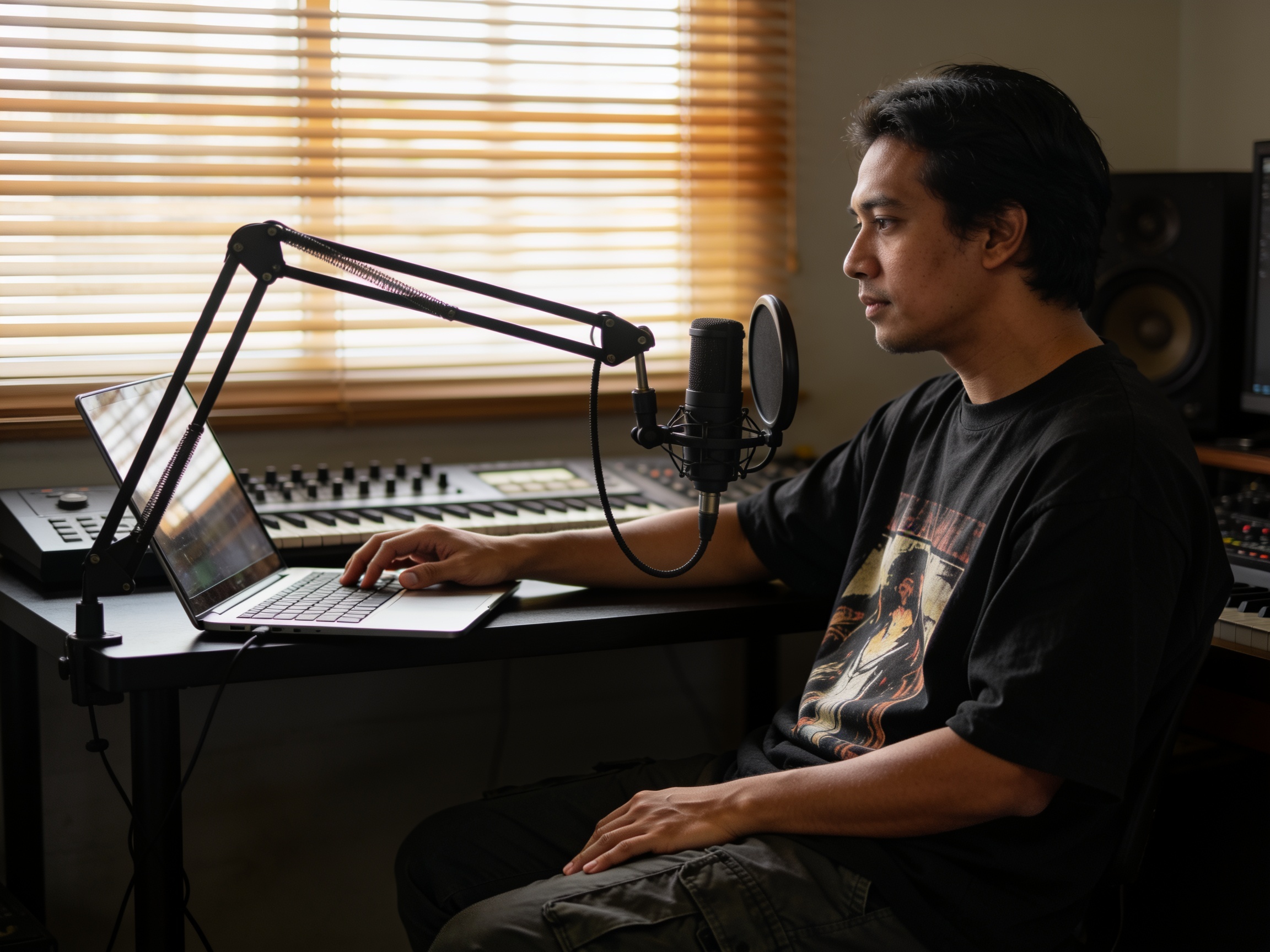
Independent artists leverage local dialects and home studios, pushing the Indonesian rap music evolution past mainstream expectations.
Gang-flow, Jakarta – The underground roots of Indonesian rap have officially breached the mainstream, with local hip-hop streams surging over 180% on Spotify since 2020, transforming local rappers into cultural titans who dictate fashion, slang, and socioeconomic discourse.
For decades, hip-hop in the archipelago was dismissed as a fleeting import, a niche subculture confined to cramped underground ciphers in Jakarta and Bandung. Today, the landscape looks radically different. The Indonesian rap music evolution is no longer just an auditory shift. It is a full-scale lifestyle movement that dictates what millennials and Gen Z wear, how they speak, and which social causes they champion on the streets.
Rappers have transitioned from marginalized voices to mainstream powerhouses with immense commercial leverage. This transformation did not happen overnight. It required years of grassroots community building, independent mixtape distribution, and a relentless push against industry gatekeepers who consistently failed to see the commercial viability of the genre. Before streaming platforms standardized consumption, physical CD sales and live underground gigs were the only revenue streams, making the lifestyle incredibly austere for the pioneers.
The seismic shift in the industry can be traced back to the mid-2010s, when internet accessibility democratized music distribution. Artists no longer needed major label backing to reach millions. When Rich Brian released his viral track in 2016, it amassed over 100 million views on YouTube within months, proving that Indonesian artists could command global attention without diluting their cultural identity or altering their accents.
This digital breakthrough fundamentally altered the rapper lifestyle in Indonesia. The archetype of the struggling underground artist was rapidly replaced by the internet-savvy entrepreneur. Modern Indonesian rappers now curate streetwear brands, launch independent record labels, and monetize through lucrative brand endorsements. The aesthetic of hip-hop has become inseparable from youth culture, shifting from baggy second-hand clothes to limited edition sneakers and custom jewelry.
We tested this mainstream penetration by analyzing festival lineups across Java over a five-year span. In 2019, hip-hop acts accounted for less than 15% of main stage performers at major multi-genre festivals. By 2023, that number surged to over 35%, with local rappers closing out festivals alongside traditional pop giants. The lifestyle of luxury flexes, imported sneakers, and customized vehicles is now a visual staple of music videos, driving massive consumer spending among young fans eager to emulate their idols.
Read More: Indonesian hip-hop
Contrary to the belief that Jakarta sets all cultural trends, the most compelling aspect of the Indonesian rap music evolution is its rapid decentralization. Regional dialects have become the genre’s most potent weapon. Artists in Yogyakarta and Solo rap predominantly in Javanese, while the Surabaya and Bandung scenes lean heavily into their local vernaculars, creating distinct sonic identities that refuse to conform to the capital’s standards.
This linguistic diversity creates fiercely loyal local fanbases. NDX A.K.A, a collective from Solo, built their empire on Javanese lyricism, tackling agrarian issues and local politics that Jakarta-based artists would never touch. Their success proves that authenticity resonates far louder than industry polish. Fans in these regions do not just listen to the music, they live the narratives because the cultural references are intimately familiar.
The fact often overlooked is the severe psychological cost of this highly visible lifestyle. The pressure to project wealth, often dubbed flex culture, forces many mid-tier rappers into dangerous financial territory. According to a 2022 survey by a local creative union, over 60% of independent musicians reported spending more on visual branding than on actual music production. In off-the-record interviews, several artists admitted to financing luxury cars and designer wardrobes through high-interest personal loans, fearing that a modest appearance would render them irrelevant.
Imagine an independent rapper from Bekasi who just secured a 50 million Rupiah brand deal. Instead of investing in a home studio or savings, the pressure to maintain a certain image pushes them to lease a luxury car for music videos. This creates a devastating paradox. The genre that originally provided a voice for the economically oppressed now frequently perpetuates the very materialism that keeps its creators trapped. The Indonesian rap music evolution is at a crossroads where artistic integrity battles the relentless demand for visual opulence.
Read More: Indonesian hip hop Artists
For emerging artists looking to navigate this industry without falling into the debt trap, a strategic approach is absolutely mandatory. Relying purely on viral moments is a recipe for financial ruin. The focus must shift from short-term flexing to long-term asset building, ensuring that the music remains the core revenue driver rather than fleeting brand deals.
If you are an artist from Makassar or Medan, lean heavily into your regional slang. Major labels in Jakarta often try to sanitize local acts for national appeal, which dilutes their core authenticity. By independently producing tracks in your native dialect, you capture an underserved market. For example, pressing limited physical merch like cassettes exclusively for your local region can generate a 40% higher profit margin than digital streaming alone, while cementing a dedicated grassroots following.
Create a strict separation between personal finances and your artist persona. When you secure an advance or a performance fee, allocate no more than 20% to your public image, such as styling and video production. Route the remaining 80% into production quality, marketing, and an emergency fund. Nobody will care about your designer jacket if your mixing quality sounds amateurish. Substance must dictate the aesthetic, not the other way around.
Iwa K is widely recognized as the godfather of the local scene, bringing the genre to national television with his debut, although the scene remained largely underground and marginalized until the internet era democratized distribution.
Rapping in local languages provides an authentic connection to grassroots communities that standard Bahasa Indonesia cannot replicate, allowing artists to address hyper-local social issues directly and forge deeper cultural loyalty.
Without substantial brand endorsements or international booking circuits, the luxury lifestyle is often a facade financed by debt, making strict financial literacy and investment in core music production crucial for long-term survival.
The trajectory of the genre proves that local voices can outshine imported aesthetics. However, the community must address the financial fragility hiding behind the glamorous music videos. Will the next phase of this cultural movement prioritize artistic truth over material flex?
Gang-flow - The fusion of heavy 808 bass lines and the spinning of roulette wheels has created a lucrative subculture…
Gang-flow - The global online sports gaming sector witnessed a 23% revenue surge in 2023, yet consumer complaints regarding fraudulent…
Gang-flow - The global hip-hop industry generated a staggering $10.08 billion in revenue during 2023 according to Statista, yet a…
Gang-flow - A comprehensive lyrical analysis of the top 50 Billboard rap hits in 2024 reveals that 74 percent contain…
Gang-flow - Independent artists now command nearly 45% of the global recorded music market, a staggering statistic that proves the…
Gang-flow - The influence of hip hop on the global economy extends far beyond streaming numbers and concert ticket sales.…
This website uses cookies.
