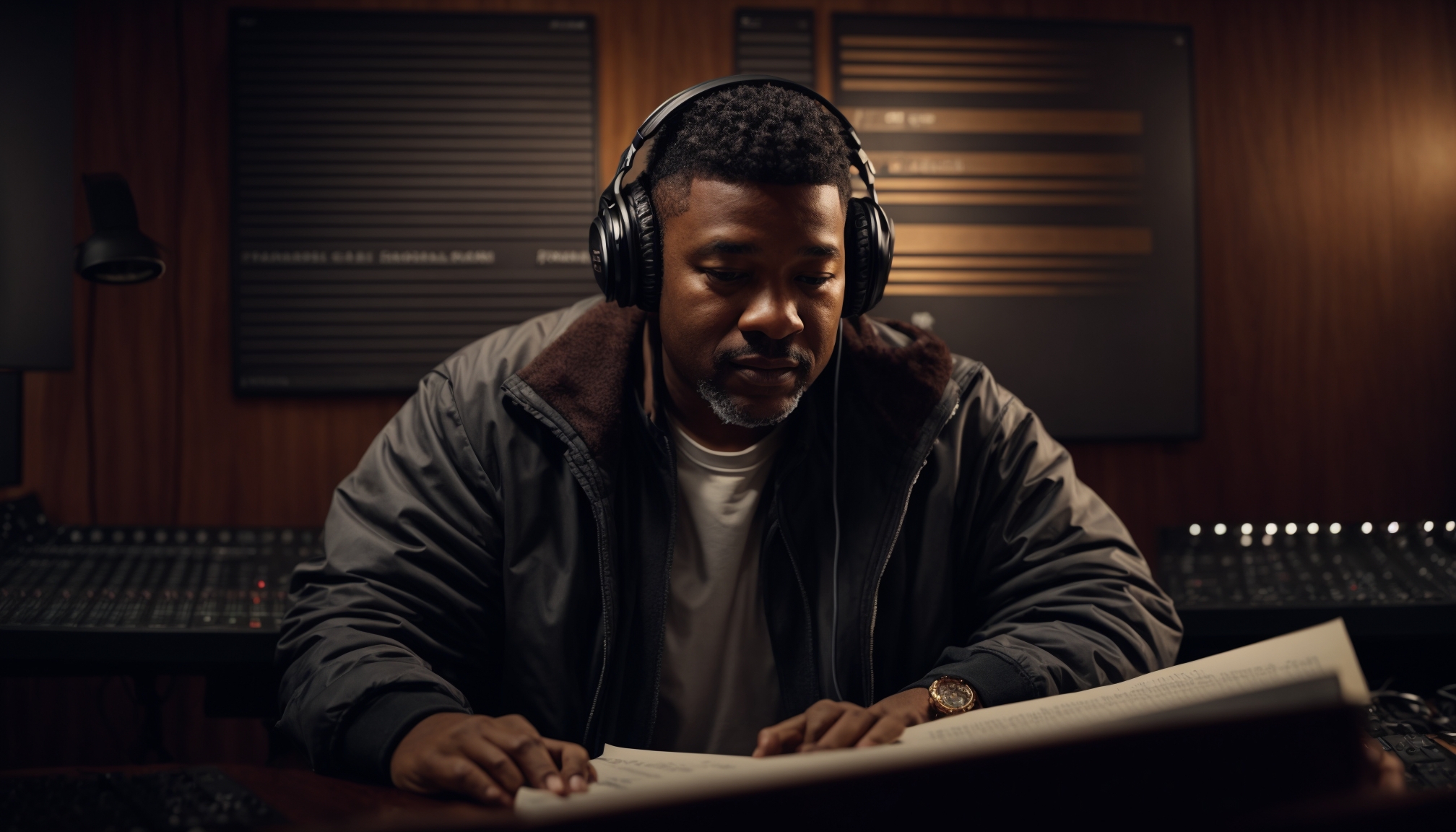
[SITE_NAME] – Leading figures in rap and R&B are revisiting the John Forté legacy impact, highlighting his artistic brilliance, resilience, and influence on the evolution of socially conscious hip-hop.
Veteran artists describe John Forté as a bridge between underground lyricism and mainstream sensibilities. His work blended vivid storytelling, emotional vulnerability, and sharp political awareness at a time when the genre faced intense commercial pressure. For many younger rappers, his songs offered proof that complex ideas could live inside accessible hooks and memorable melodies.
Producers who collaborated with him often note his meticulous approach in the studio. He rewrote verses repeatedly to tighten imagery and rhythm, insisting that every bar carry weight. This discipline influenced a generation of writers who saw in him a model for balancing craft with personal truth. Several well-known emcees credit him with showing that commercial success does not have to erase depth.
Because of that stance, his catalog still inspires artists who use music to speak about injustice, faith, and redemption. They point to his ability to move between introspective confessionals and broader social commentary without losing emotional clarity. In many listening sessions today, mentors still play his records as examples of how to channel real-life struggle into art.
The John Forté legacy impact appears most clearly in how emerging artists talk about mentorship and responsibility. Many younger performers say they encountered his name not through charts, but through older producers, engineers, and tour DJs who treated his work as required study. These informal apprenticeships keep his ideas alive inside studio culture.
In writing camps and collaborative sessions, his songs often serve as reference points for tone and structure. Rappers trying to balance melody with dense lyricism examine how he stacked internal rhymes while leaving space for hooks to breathe. As a result, his influence can be heard in today’s blend of soulful production, reflective verses, and carefully layered choruses.
Outside the booth, artists also connect with his story of perseverance. His experience of public scrutiny, personal crisis, and eventual rebuilding resonates with musicians navigating modern pressures, from online backlash to contractual conflicts. They see in him an example of how to survive mistakes, reframe a narrative, and return to creative work with greater purpose.
When major names in hip-hop gather for interviews, podcasts, or anniversary retrospectives, they frequently return to the John Forté legacy impact. Longtime collaborators describe late-night studio sessions where he challenged everyone in the room to write more honestly. According to several producers, he preferred difficult conversations if they led to better music, even if it meant scrapping entire songs.
Artists from different coasts and eras also highlight his generosity. He offered feedback to younger emcees, shared contacts, and encouraged experimentation with acoustic instruments and genre-blending. That openness has become part of his mythos: a lyricist who valued community as much as personal acclaim.
Read More: In-depth features on hip-hop history, artistry, and cultural impact
Some icons emphasize how his journey intersects with broader conversations about justice and rehabilitation. They argue that his return to music after legal challenges symbolized the possibility of transformation. In their view, his life embodies a central hip-hop theme: the refusal to be defined solely by past mistakes.
Advocates and scholars point to the John Forté legacy impact as an example of how hip-hop humanizes people caught in the criminal legal system. His story, music, and public interviews invite listeners to look beyond headlines and see the full complexity of a life. This framing aligns with grassroots campaigns that use culture to question mass incarceration and demand fairer policies.
Community organizers recall benefit shows, panel discussions, and workshops where his name surfaced as a symbol of resilience. For them, he represents more than a respected artist; he stands for the possibility of second chances and the need to invest in rehabilitation rather than endless punishment. These conversations continue to echo through documentary projects, podcasts, and university courses on music and society.
Meanwhile, critics and fans treat his discography as a chapter in the larger story of hip-hop’s growth. They see how his arrangements, collaborations, and subject matter predicted the genre’s later shift toward introspection and genre fusion. Many argue that without voices like his, the path from gritty storytelling to today’s emotionally layered albums would look very different.
Curators, journalists, and educators are working to ensure that the John Forté legacy impact endures beyond nostalgic memories. Archival projects aim to document his studio sessions, live performances, and handwritten notes, giving future audiences insight into his creative process. These efforts reflect a broader move to preserve hip-hop’s early innovators with the same care given to jazz or rock pioneers.
Podcast producers and documentary filmmakers are also gathering testimonies from peers, relatives, and protégés. Their goal is to capture not just his discography, but the atmosphere he created around him: a mix of intensity, warmth, and critical honesty. Through these stories, younger listeners gain access to lessons that do not always appear in official biographies.
As more artists, activists, and fans revisit his catalog, the John Forté legacy impact continues to grow. The conversations he sparked about responsibility, creativity, and redemption now reach people who never attended his shows or bought his records when they first dropped. In that ongoing dialogue, his name stands as a reminder that hip-hop’s power lies not only in sound, but also in the courage to change and to be remembered with depth and dignity.
John Forté legacy impact
This website uses cookies.
